

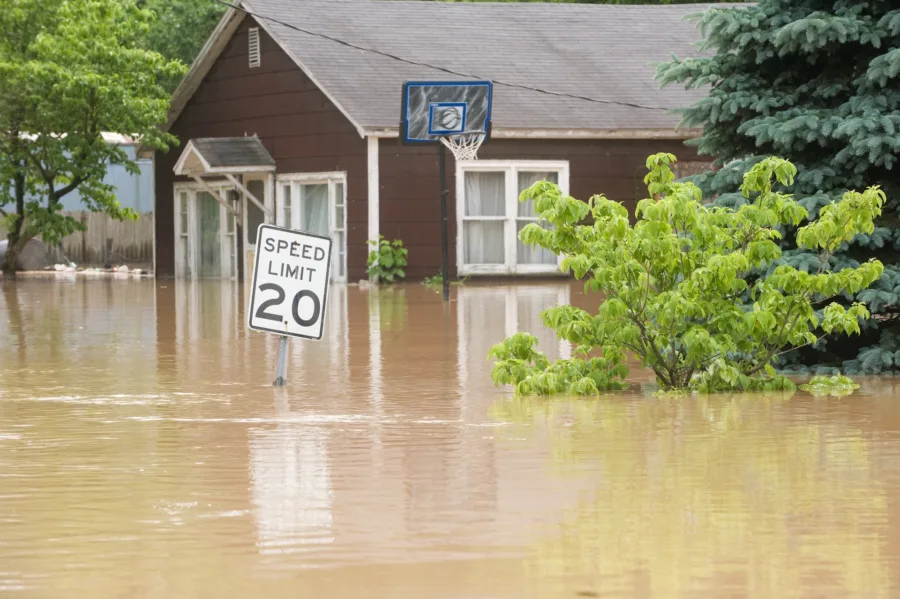
Who gets federal disaster assistance? New county-level data offer a clearer picture
The first publicly available county-level dataset of federal disaster declarations and denials offers insights for communities that may be impacted by FEMA reform.
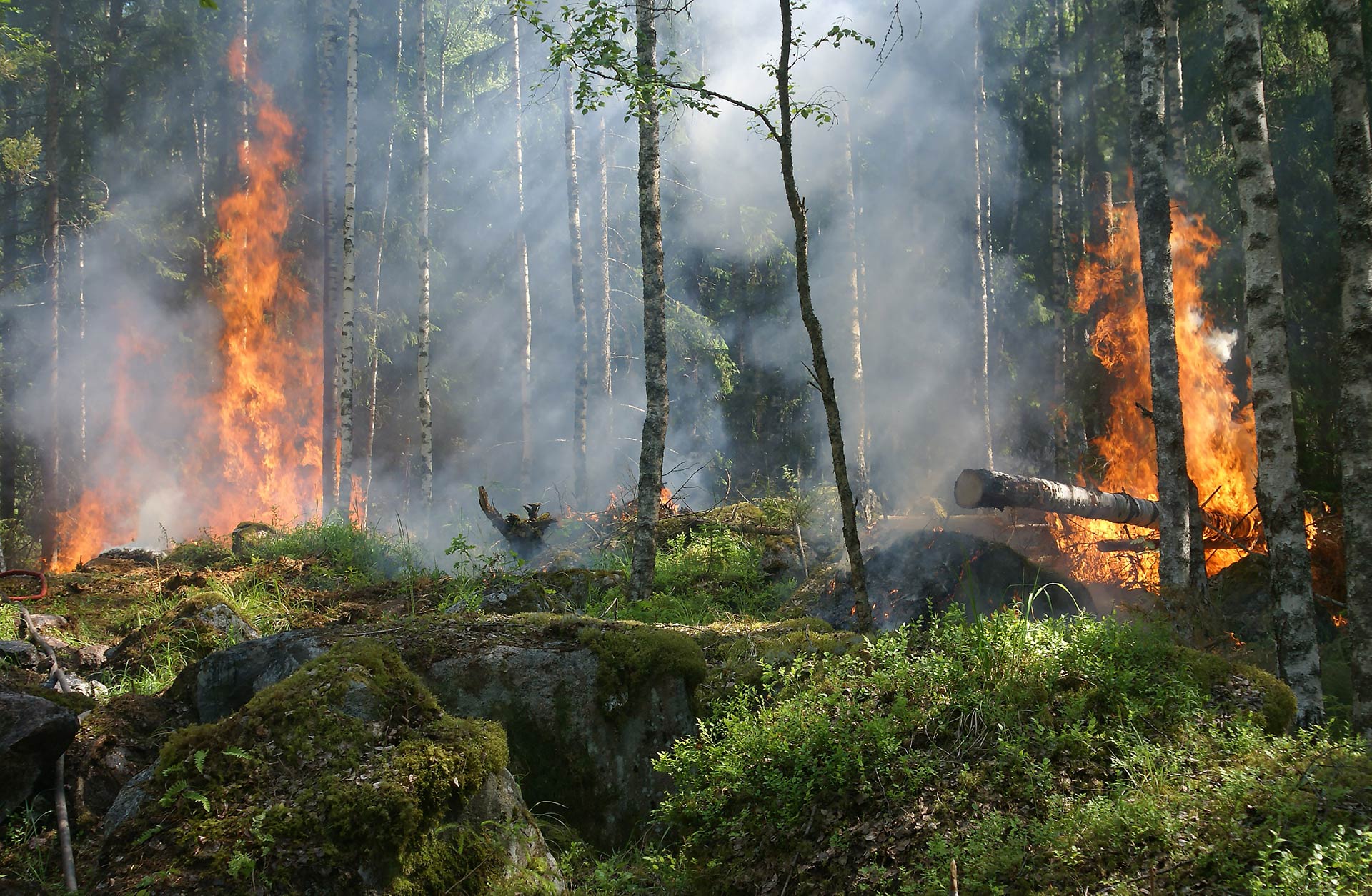
Image courtesy EcoFlight

Assisting communities


Headwaters Economics works directly with communities to help them become more resilient to the threats of floods and wildfire, and to economic transition.
Latest research
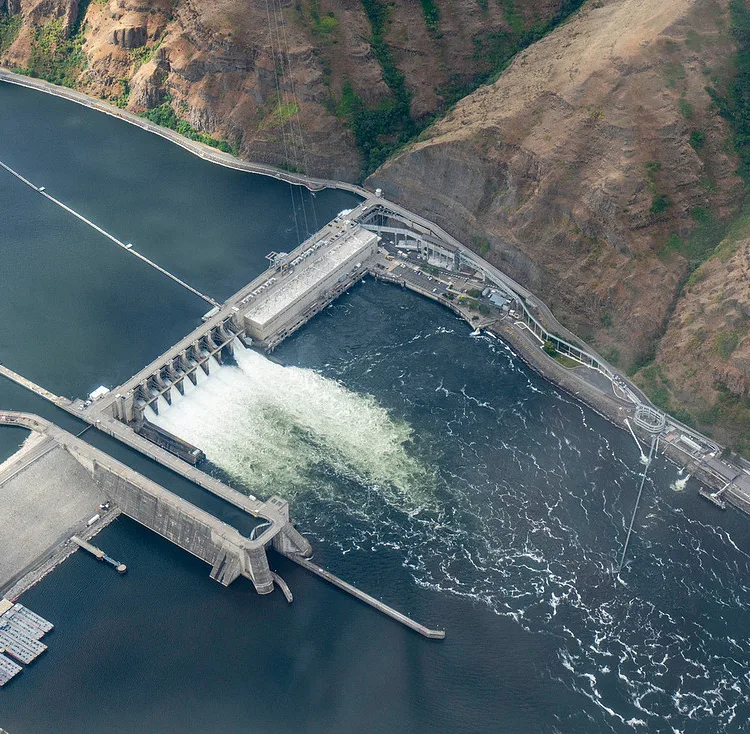
The local economic implications of Lower Snake River dam removal
A new analysis finds that the largest and fastest-growing economic sectors in Nez Perce and Asotin counties are not strongly connected to the Lower Snake River dams. Both counties can continue to grow, and may see new economic gains, if the dams are removed.

Additional benefits of wildfire-resistant homes
An analysis of wildfire-resistant home upgrades shows that they can also deliver energy savings, lower maintenance costs, and a longer-lasting home.
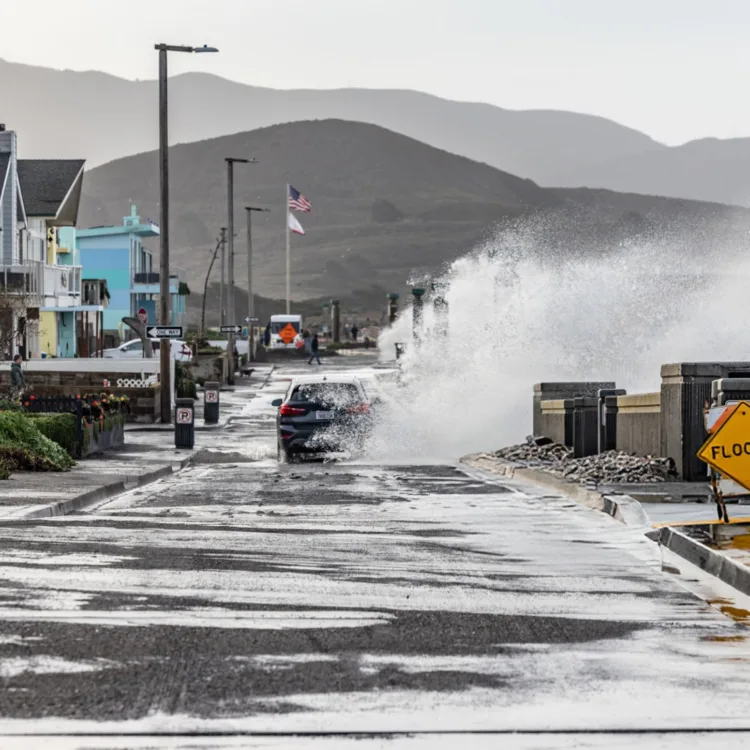
Local funding options for disaster resilience
Projects that prepare communities to resist wildfire and flooding can save money in the long run, but they can be hard to finance upfront. Headwaters Economics has created two guides to help local leaders identify sustained funding strategies for resilience projects.

Economic performance of communities near national monuments
National monument designation does not disrupt local economies, according to the latest data on jobs, income, and GDP. Most trends continue on the same trajectory after designation, and income growth tends to improve modestly over time.

Lessons from 30 years of wildfire ignition data
Human activity sparks most U.S. wildfires. A newly updated Forest Service dataset maps exactly where, when, and how people are responsible for wildfire ignitions. The insights arm researchers, emergency planners and mitigation experts with information they need to target prevention efforts.
Regional Tribal Emergency Management Summit
Headwaters Economics cohosted the fourth annual Regional Tribal Emergency Management Summit this spring. Tribal councils, emergency managers, and other disaster response professionals gathered to work on solutions for flooding, wildfire, and more.
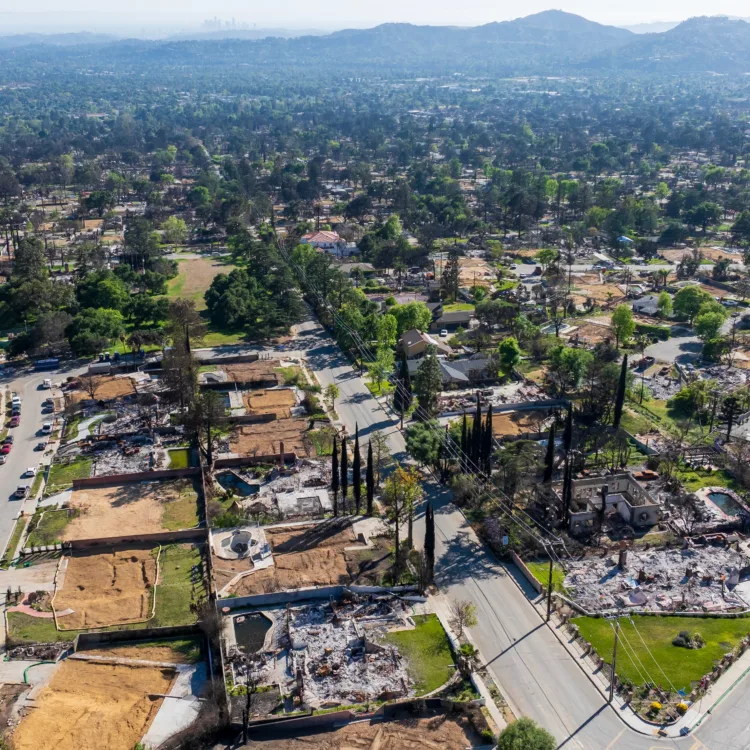
Tracking Western states’ diverse approaches to wildfire building codes
More states in the West are considering new building codes to protect structures and neighborhoods from wildfire. We’re tracking the progress.

States must modernize stream crossing standards to protect communities from flooding
More than half of the culverts protecting roads from flooding in the United States do not meet modern design standards, endangering communities and local economies. New standards and replacement programs must be adopted.

Wildfire and insurance options for homeowner coverage
In the face of increasing wildfire disasters several strategies could play a role in reducing damages and stabilizing homeowners insurance markets.
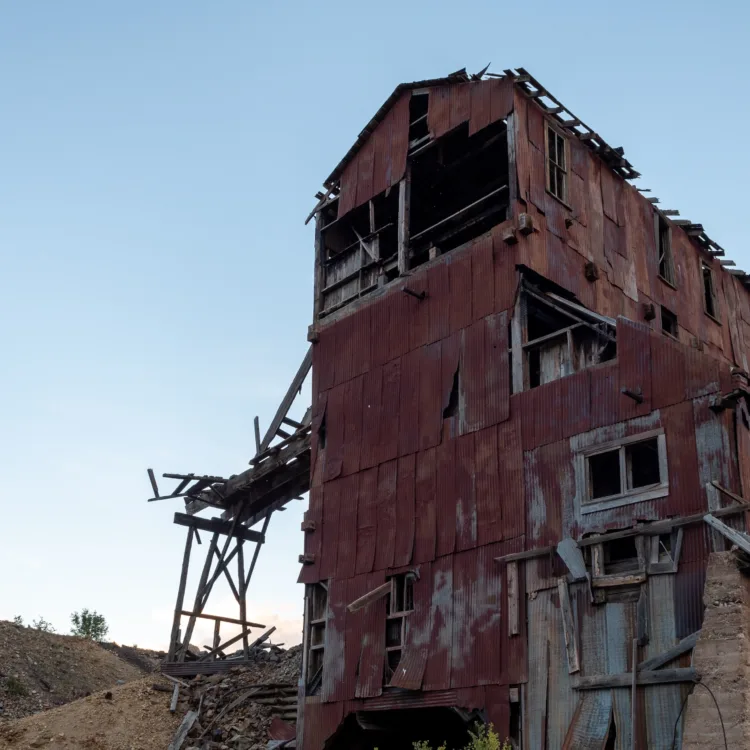
Reclaiming abandoned mines can protect against harmful and costly flood disasters
More than 68,000 abandoned or inactive mines in areas with high flood risk endanger people and places across the U.S.
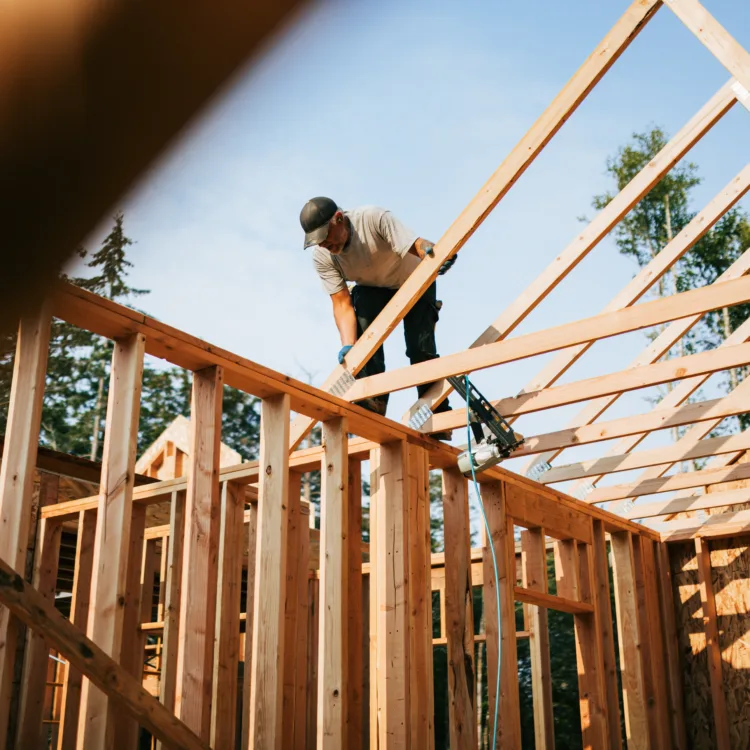
Construction costs for wildfire-resistant homes
A new analysis shows that building wildfire-resistant homes adds less than 3% to construction costs.
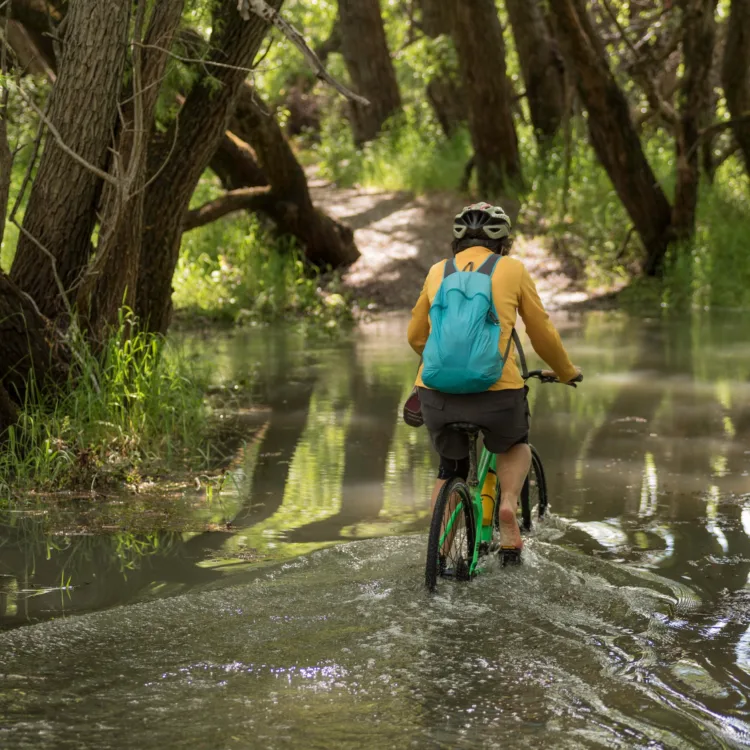
Building disaster preparedness in the outdoor recreation economy
As floods and wildfires grow more damaging, recreation leaders and emergency managers must team up to protect visitors, economies, and the landscapes we love.
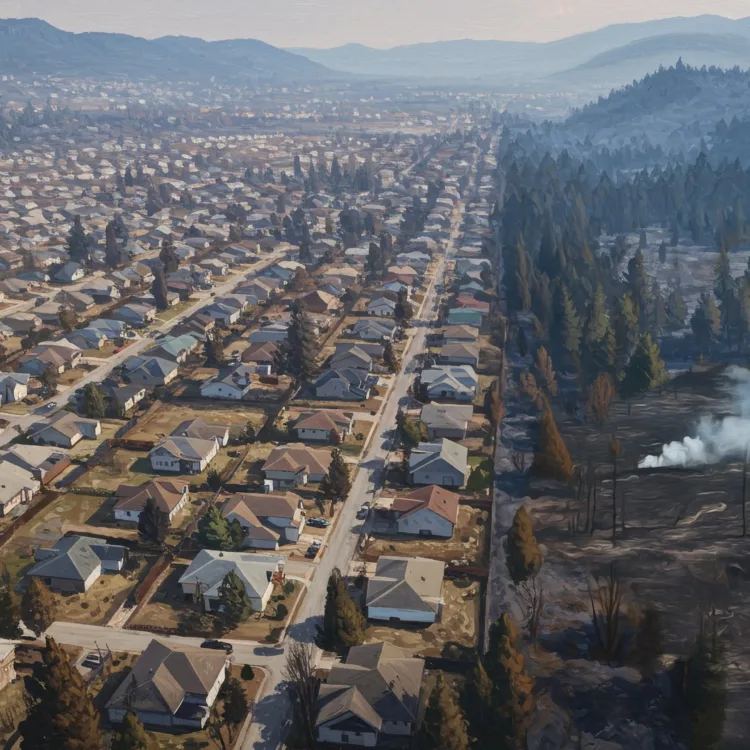
Building wildfire-resistant homes after disasters will save billions
Upfront investments in rebuilding to wildfire-resistant standards can save billions in future avoided economic losses.
FieldNotes:
A look into the inner-workings of Headwaters Economics.
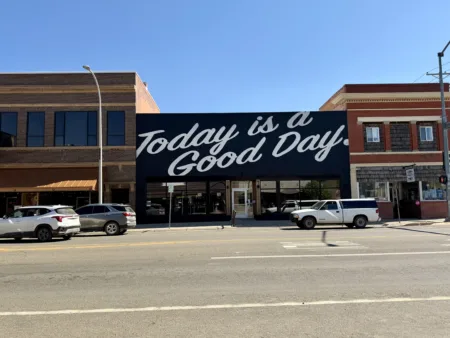
Miles City site visit
Our FloodWise program staff were recently in Miles City, MT to present an Operations and Financial Snapshot to the City Council as they seek new funding strategies for projects that can reduce flood risks. Miles City is a historic Montana town where the Tongue River meets the Yellowstone River and well worth the visit!
(more…) Kris Smith, Ph.D.
Kristin “Kris” Smith, Ph.D., is the Lead Researcher for Headwaters Economics’ FloodWise Community Assistance program. Her research on hazards, natural resources, and rural economic development is informed by her on-the-ground work with local governments and technical experts helping communities reduce flood risk.
- Who gets federal disaster assistance? New county-level data offer a clearer picture
- Local funding options for disaster resilience
- Contribution The local economic implications of Lower Snake River dam removal
- News New York Moves Forward With a Brooklyn Flood Protection Plan That Falls Short of Other City Projects
- Fieldnote Headwaters Economics presented with Montana Floodplain Program Ambassador award
- News New York Moves Forward With a Brooklyn Flood Protection Plan That Falls Short of Other City Projects
- Reclaiming abandoned mines can protect against harmful and costly flood disasters
- News Mapping Rural Local Government Capacity for Climate Resilience Projects in the United States
- How rural communities can ensure development projects deliver local benefits
- News Rural communities were promised millions in disaster funds. Trump is ending it

Resilience at the Council of State Governments meeting
On July 10 our executive director Patty Hernandez presented to 80 state legislators at the Council of State Governments West annual meeting on a wildfire resilience panel. Her top points: smaller communities especially need resources, technical assistance, and flexibility to protect homes from wildfire; updated codes and ordinances must be prioritized to make homes wildfire-resistant; and on-the-ground risk reduction can help rebalance insurance markets in a future of more frequent, intense wildfires.
Panelists also included Tyson Bertone-Riggs from Alliance for Wildfire Resilience and Eric Horn from Megafire Action.
 Patricia Hernandez
Patty Hernandez is co-founder and Executive Director of Headwaters Economics. Patty has 18 years of experience in researching economic development, building partnerships, and developing technology solutions to help communities plan and adapt to a changing world.
- Contribution Additional benefits of wildfire-resistant homes
- Fieldnote The State of Disaster Recovery in Rural America
- Fieldnote Headwaters Economics presented with Montana Floodplain Program Ambassador award
- Contribution The path to wildfire-resistant building codes in Colorado offers lessons for other states
- Building wildfire-resistant homes after disasters will save billions
- News Is your Montana home at risk from wildfire? These tools can help you find out
- Contribution Extreme heat is not just an urban threat: The risk to rural communities
- Contribution Community Wildfire Defense Grants benefit rural and low-capacity communities
- Contribution Cascading wildfire insurance issues impact local and state budgets
- Reinvesting in rural America
Colorado Wildfire Resiliency Cohort
CPAW helped 25 communities adopt Colorado’s Wildfire Resiliency Code. Headwaters Economics’ Ryan Handy shares the details on this program.
 Ryan Maye Handy
Ryan is a wildfire and land use expert for the Community Planning Assistance for Wildfire program. Her experience as an urban planner and former journalist brings invaluable insights to communities that must prepare for increasing wildfire risks.
- News Washington still deadlocked on wildfire-proof building rules after 800 homes burned
- News Washington still deadlocked on wildfire-proof building rules after 800 homes burned
- News As wildfires get worse, some states are struggling to pass fire protection rules
- News The $1.4 Trillion Threat Hiding in American Neighborhoods
- Contribution Local funding options for disaster resilience
- Tracking Western states’ diverse approaches to wildfire building codes
- Fieldnote Informing wildfire policy in Montana
- News Saving History from Wildfire with Headwater Economics’ Ryan Handy
- Protecting our Past: Wildfire Strategies for Historic Buildings
- Contribution Building wildfire-resistant homes after disasters will save billions
 Brent Powell
Brent leads Headwaters Economics’ web and media development. Blending technical skills with creativity, he supports the team with website management, photography, videography, and graphic design.
- Contribution Additional benefits of wildfire-resistant homes
- Contribution Tracking Western states’ diverse approaches to wildfire building codes
- Fieldnote The State of Disaster Recovery in Rural America
- Contribution Future-proofing the outdoor recreation economy
- Contribution Reinvesting in rural America
- Contribution A rural capacity map
- Contribution Austin, Texas: Built for Wildfire
- Contribution The American Community Survey in our data tools
- Building for wildfire
- Contribution Mobile home residents face higher flood risk

Headwaters Economics at the 2026 Montana Rural Summit
Kris Smith is just back from 2026 Montana Rural Summit in Townsend where about 150 funders, elected officials, and service providers gathered to discuss the state of rural Montana. Kris and Dr. Julia Haggerty of Montana State University presented a draft of their State of Rural Montana report that drew extensive feedback and participation from attendees. Thank you MSU Extension for hosting!
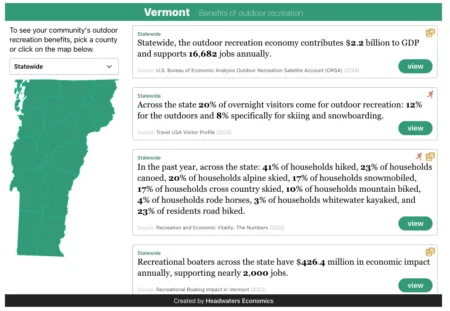
Measuring outdoor recreation in Vermont
Headwaters Economics partnered with the State of Vermont to build an online dashboard that highlights the impacts of outdoor recreation across the state. The CORE Data Dashboard shows visitation patterns, spending profiles, and other research to help local leaders understand trends and direct investments.
 Megan Lawson, Ph.D.
Megan leads Headwaters Economics’ research in outdoor recreation, economic development, and demographics. She has more than 20 years’ experience as a quantitative economist analyzing policies and trends for communities, governments, and nonprofit organizations.
- The local economic implications of Lower Snake River dam removal
- Fieldnote The Outdoor Recreation Economy by State
- News The outdoor recreation economy is worth $1.3 trillion. Trump’s cuts to National Parks could change that
- News Trump’s cuts to National Parks is a bad sign for the outdoor economy and rural economies
- The Outdoor Recreation Economy by State
- News In Case of Emergency
- News National Monuments Promote Stable Local Economies, Analysis Shows
- Economic performance of communities near national monuments
- News When disaster strikes: Outdoor recreation’s role in Montana’s wildfire, flood resilience
- Building disaster preparedness in the outdoor recreation economy
Popular posts
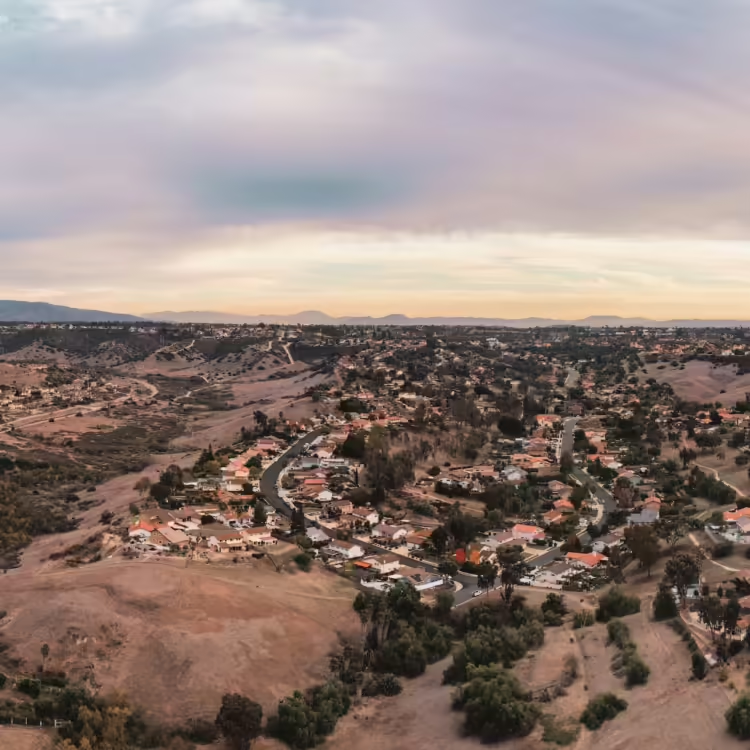
The cost of retrofitting a home for wildfire resistance
Retrofitting a home for wildfire resistance can cost as little as $2,000, making this approach an effective risk reduction strategy for communities.

The Outdoor Recreation Economy by State
The outdoor recreation economy is large, growing faster than the overall economy, and consists of jobs in many industries. Explore data by state.
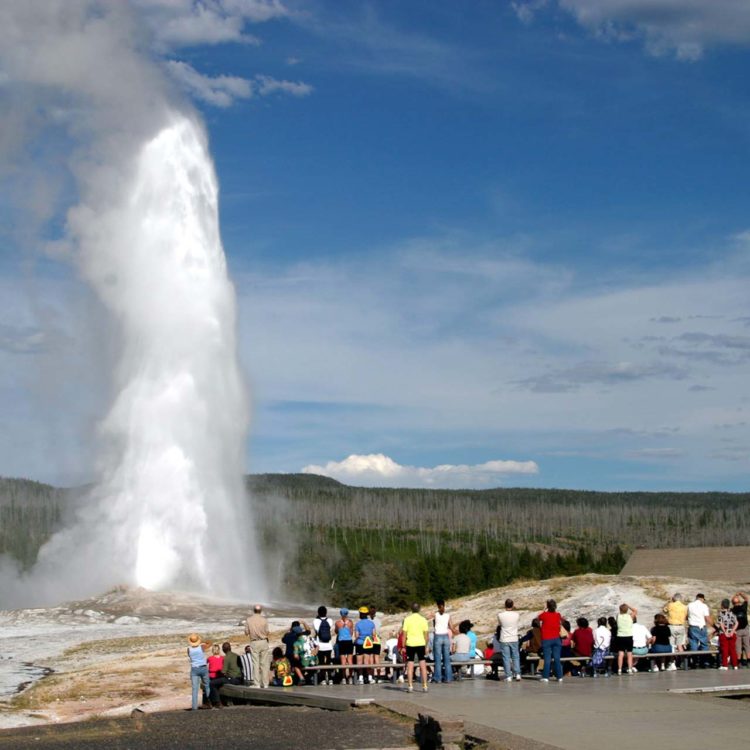
Economic Impact of National Parks
Millions of national park visitors generate economic opportunities for gateway communities, spending money that creates jobs and income. See the trends for every national park service unit.

Public land ownership in the United States
Public lands influence the economy, demographics, and fiscal policies of communities. Explore maps and county-level data for the 828 million acres of federal, state, and municipal land in the U.S.
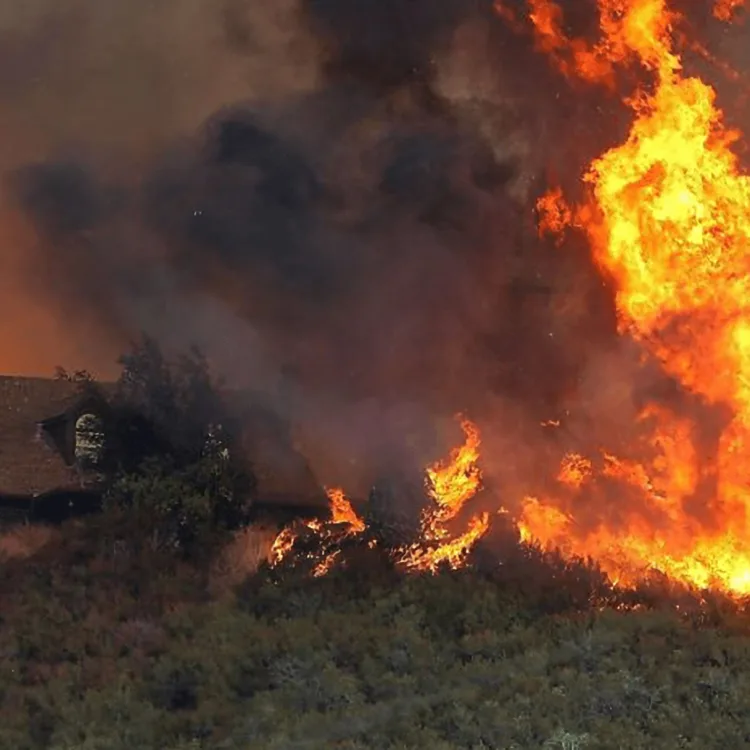
Wildfires destroy thousands of structures each year
Explore the number of structures destroyed in each state by wildfire. Structures lost—rather than acres burned—provides a more complete measure of the broad impacts of wildfire.
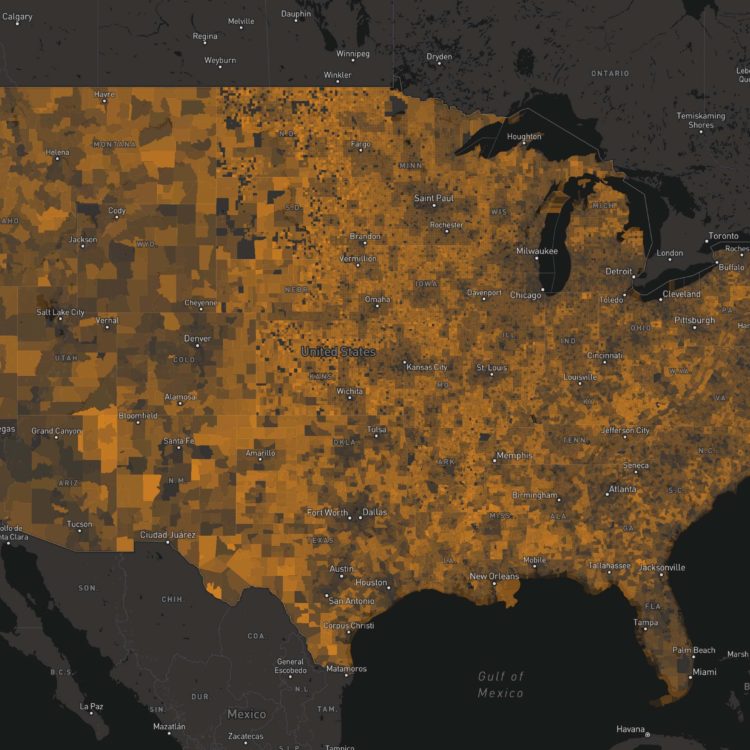
A rural capacity map
A new map helps identify communities where investments in staffing and expertise are needed to support infrastructure and climate resilience projects.
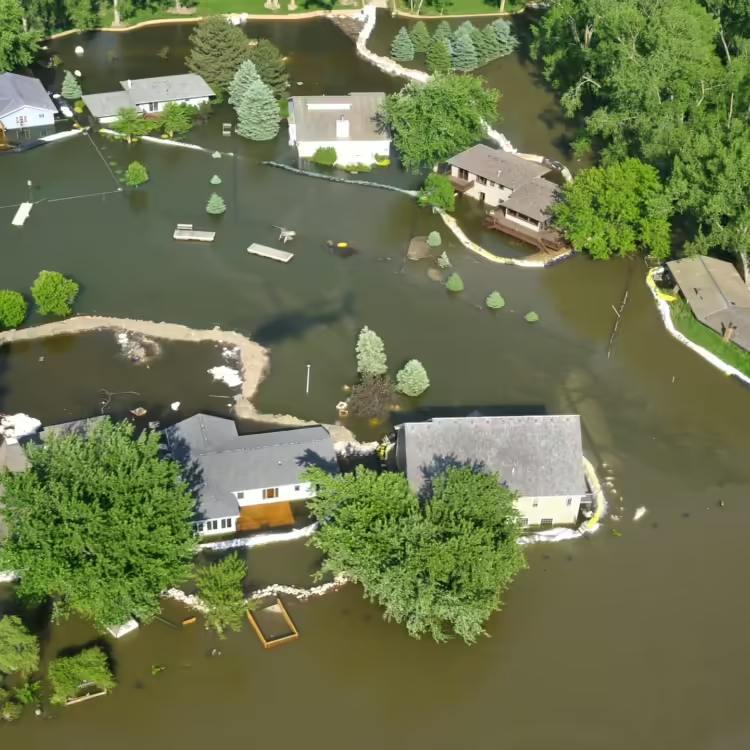
Rising demand for FEMA’s BRIC program far exceeds available funding
An analysis of FEMA’s BRIC program for climate adaptation and disaster resilience funding shows rising demand, but unequal access.

The Amenity Trap: How high-amenity communities can avoid being loved to death
Amenity communities face unique challenges from waves of tourists and new residents. Proactive planning can help avoid being loved to death.
Subscribe to our newsletter!
About Headwaters Economics
Headwaters Economics is an independent, nonprofit research group that works to improve community development and land management decisions.
Our Data Tools



Explore our free data tools
Headwaters Economics maintains free, easy-to-use tools to help you better understand socioeconomic data and trends. Find data from dozens of sources for thousands of places in the United States.
Community Planning Assistance for Wildfire
Community Planning Assistance for Wildfire (CPAW) works with communities to reduce wildfire risk through improved land use planning. The program is a program of Headwaters Economics, in partnership with the USDA Forest Service.